
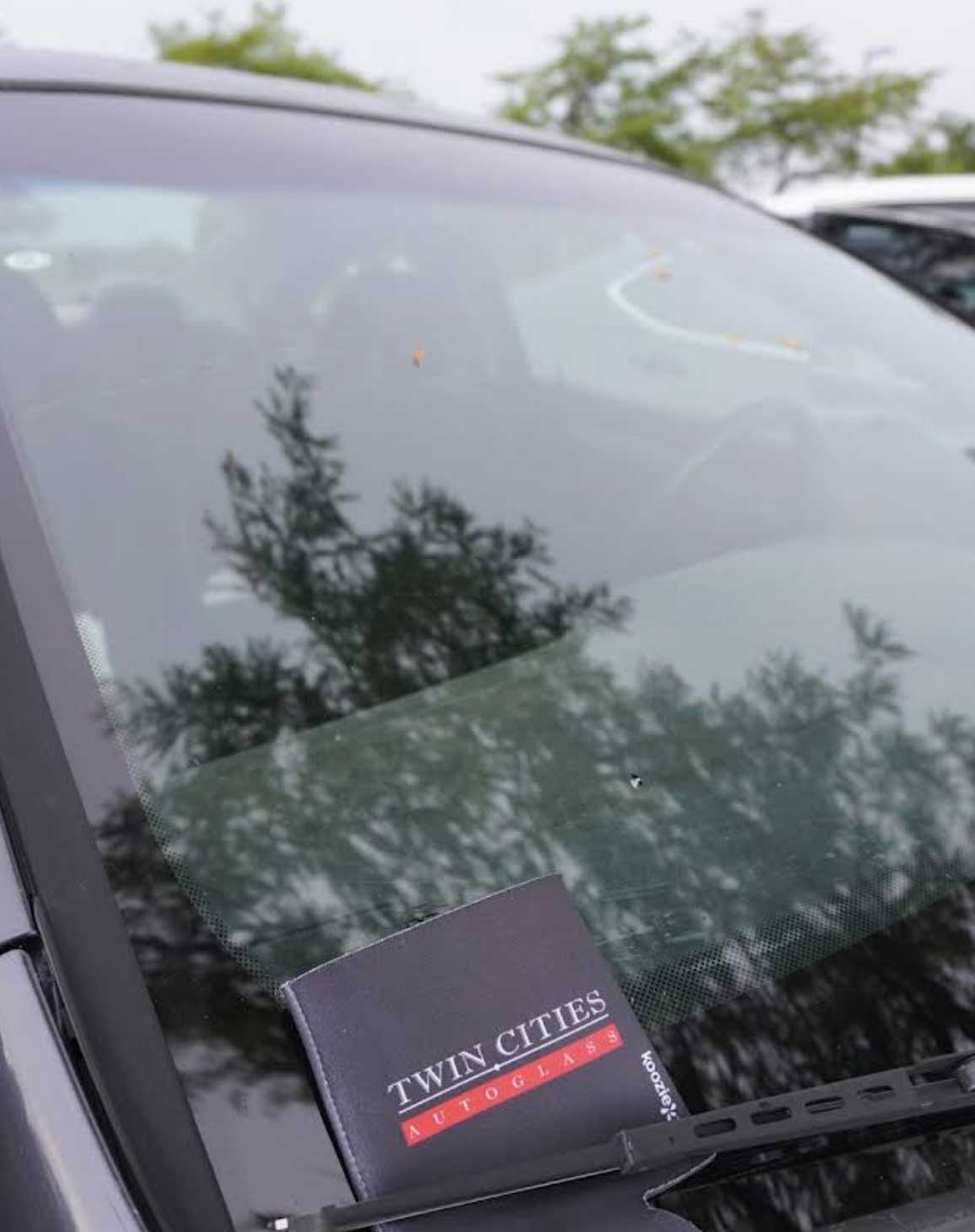
10 Things You Should Never Do to Your Windshield During a Minnesota or Wisconsin Winter
Winter in Minnesota and Wisconsin can be brutal on your vehicle—and your windshield often takes more abuse than you realize.
Freezing temperatures, snow, ice, road salt, potholes, temperature swings, and winter debris can all put stress on your auto glass. Then there are the things drivers do themselves while trying to get out the door on a cold morning.
A few common winter habits can turn a minor windshield chip into a major crack or cause unnecessary damage to your glass.
At Twin Cities Auto Glass, we see the results of winter windshield damage every year. Here are some of the biggest mistakes to avoid when temperatures drop.
1. Don’t Use a Snow Shovel on Your Windshield
It might seem like a quick way to clear a heavy layer of snow, but your windshield isn’t the place for a snow shovel.
Snow shovels are designed for clearing driveways and sidewalks—not delicate automotive glass. The edge of a shovel can scratch the glass, damage trim, or put unnecessary pressure on a windshield that may already have a small chip or crack.
Instead, use a proper automotive snow brush to remove loose snow.
For ice, use a quality plastic ice scraper designed specifically for automotive glass.
2. Never Pour Hot or Warm Water on an Iced Windshield
This is one of the most common winter windshield mistakes.
You wake up to a completely frozen windshield, you’re already running late, and pouring a cup of warm water over the glass seems like the fastest solution.
Don’t do it.
A windshield that has been sitting outside in subzero temperatures can be extremely cold. Introducing hot or even significantly warmer water creates a rapid temperature change across the glass.
If the windshield already has a small chip or crack, that sudden thermal stress can cause the damage to spread quickly.
Instead, start your vehicle, use the defroster appropriately, and give the glass time to warm gradually. Then use a proper ice scraper to remove remaining ice.
3. Don’t Blast the Defroster at Maximum Heat Immediately
Your defroster is one of your best friends during a Minnesota or Wisconsin winter—but how you use it matters.
If your windshield is covered in ice and you immediately direct extremely hot air at the cold glass, you’re creating a rapid temperature difference.
That can be particularly problematic if you already have a chip or crack.
The safer approach is to let the vehicle warm gradually and increase the temperature as the glass begins to thaw.
You don’t have to avoid your defroster. Just avoid treating a frozen windshield like it’s a block of ice that needs to be shocked into submission.
4. Don’t Turn On Frozen Wipers
If your windshield wipers are frozen to the glass, don’t turn them on and hope they’ll break free.
The wiper motor is powerful, and the blades can put significant force against ice-covered glass.
You can damage the wiper blades, stress the wiper mechanism, or put additional pressure on a windshield that already has damage.
Before using your wipers, make sure the blades are free from the windshield.
And don’t forget that good wipers are part of winter safety.
5. Don’t Ignore a Small Chip
That little rock chip might not look like a big deal.
In January, it can become one.
Cold temperatures cause glass to contract, while the interior of your vehicle warms the glass from the inside. Those temperature differences create stress within the windshield. Existing chips and cracks are weak points where that stress can cause damage to spread.
Moisture can make the situation worse. If water gets into a chip or crack and freezes, the expanding ice can put additional pressure on the damaged area.
That’s why a small chip should be addressed sooner rather than later, especially before a Minnesota or Wisconsin deep freeze.
A repair may be much simpler than replacing an entire windshield.
6. Don’t Park Under Trees With Heavy Ice or Snow
Trees can provide shade during summer, but they can become a potential hazard during winter.
Heavy snow and ice can accumulate on branches. When those branches break or shed their load, they can fall onto vehicles parked underneath.
That can result in anything from minor dents to serious windshield damage.
Whenever possible, consider where you’re parking during or immediately after a major winter storm.
And don’t forget about icicles.
Parking directly underneath large icicles hanging from roofs, overhangs, or buildings can put your windshield at risk. A falling icicle can strike the glass with surprising force.
7. Don’t Leave Your Car Under Unsafe Building Overhangs
The tree isn’t the only thing to worry about.
Buildings can create winter hazards too.
Snow and ice can accumulate along rooflines and overhangs. When temperatures rise slightly, large chunks of snow or ice can slide or fall.
If you’re parking in a location where snow, ice, or icicles can fall from above, consider moving your vehicle to a safer spot.
Your windshield doesn’t need to be exposed to unnecessary hazards.
8. Don’t Scrape Ice Aggressively
A good ice scraper is designed to remove ice from automotive glass—but that doesn’t mean you need to attack the windshield with it.
If you have a stubborn layer of ice, let the defroster help loosen it first.
Then use controlled, moderate pressure with a plastic scraper.
Avoid metal tools, keys, shovels, screwdrivers, or anything else that isn’t designed for automotive glass.
And if you encounter a stubborn patch of ice around an existing chip, be particularly careful. Excessive pressure can add stress to already-damaged glass.
9. Don’t Slam Your Doors When the Windshield Is Damaged
This one is easy to overlook.
If your windshield already has a crack, slamming a door can send a pressure wave through the passenger compartment and put additional stress on the glass.
In normal circumstances, the windshield is designed to handle everyday vehicle movement. But when the glass is already damaged, avoiding unnecessary shocks and vibrations is a smart precaution.
This is especially worth remembering during extremely cold weather, when the glass is already experiencing thermal stress.
Close your doors normally—but there’s no reason to slam them.
10. Don’t Assume a Windshield Crack Will “Stay the Same”
One of the biggest winter mistakes is simply waiting.
You may have a small crack that hasn’t changed for weeks. Then one morning you start your car, turn on the heat, drive over a pothole, and suddenly that crack has traveled across the windshield.
Cold weather, temperature changes, moisture, road vibration, and pressure can all contribute to the progression of existing damage.
There is no reliable way to predict exactly when a crack will spread.
That’s why it’s better to have windshield damage evaluated before winter conditions turn a manageable repair into a replacement.
What Should You Do When Your Windshield Is Iced Over?
When you wake up to a frozen windshield, keep it simple:
- Start the vehicle and allow it to warm up.
- Turn on the defroster and allow the windshield to warm gradually.
- Brush loose snow from the vehicle with a proper snow brush.
- Use a plastic automotive ice scraper for remaining ice.
- Make sure your wipers are completely free before turning them on.
- Clear the entire windshield—not just a small viewing area.
- Check for existing chips or cracks before driving.
It’s not just about protecting the windshield.
It’s about being able to see.
Winter Is Hard Enough on Your Windshield
Minnesota and Wisconsin winters already provide plenty of challenges for your vehicle.
You don’t need to make things worse with a shovel, hot water, frozen wipers, or an ignored rock chip.
A few simple habits can help protect your windshield throughout the winter:
- Use the right tools to remove snow and ice.
- Let the windshield warm gradually.
- Never pour hot water on frozen glass.
- Don’t operate frozen wipers.
- Repair chips before they become cracks.
- Be careful where you park during snow and ice events.
- Avoid unnecessary impacts and pressure on damaged glass.
- Replace worn wipers before winter.
- Keep quality winter washer fluid in the vehicle.
- Have windshield damage evaluated promptly.
When Winter Damage Happens, Call Twin Cities Auto Glass
Even if you’re careful, winter windshield damage can happen.
A piece of road debris can strike your windshield. A small chip can spread during a hard freeze. A falling branch or chunk of ice can cause unexpected damage.
When it happens, don’t wait for the problem to get worse.
Twin Cities Auto Glass provides professional windshield repair and replacement services to help Minnesota and Wisconsin drivers get back on the road safely.
If you have a chip, crack, or other windshield damage, contact Twin Cities Auto Glass to have the damage evaluated and determine whether repair or replacement is the right solution.
Because in a Minnesota or Wisconsin winter, your windshield isn’t just another piece of glass—it’s an important part of your visibility and vehicle safety.
We Make Windshield Replacement Easy
At Twin Cities Auto Glass, we know your schedule is busy. That’s why we’ve made getting your windshield replaced as easy and convenient as possible.
With 11 convenient locations, you can get fast, professional service without sacrificing the friendly, personal attention you deserve.
You’ll find Twin Cities Auto Glass locations in:
- White Bear Lake
- St. Cloud
- Princeton
- Hudson
- Ham Lake
- Golden Valley
- Burnsville
- Brooklyn Park
- Bloomington
- Elk River
- Forest Lake
- Woodbury
Our knowledgeable team works hard to provide quality workmanship, convenient scheduling, and outstanding customer service from the moment you contact us until you’re safely back on the road.
Twin Cities Auto Glass today and get back on the road with confidence.
Schedule your appointment today and trust the team with 14+ years of experience to get the job done right—any season, any month. 🚗❄️☀️
Schedule now —stress-free. https://www.tcautoglass.net/schedule/