
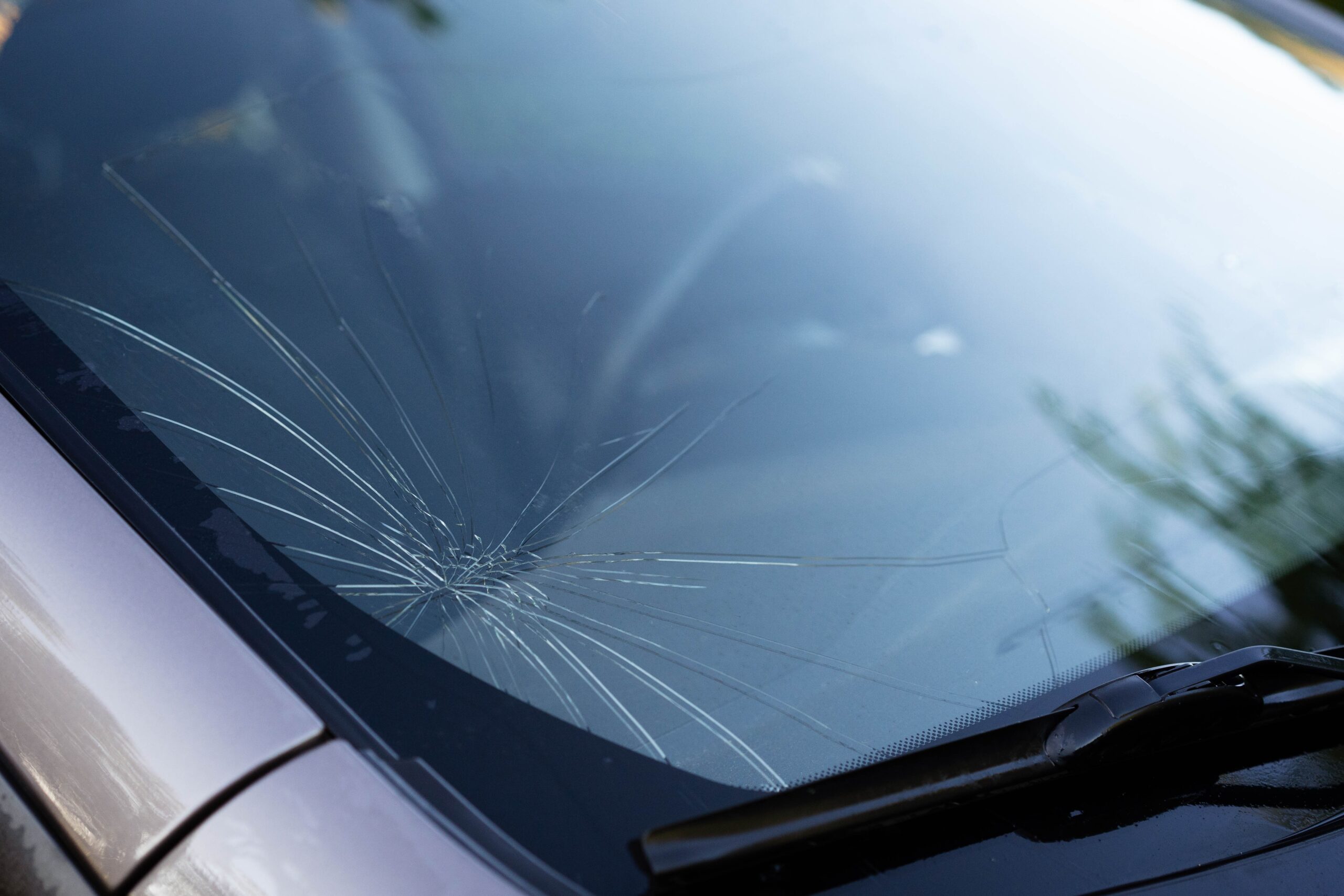
A rock hits your windshield. You hear the familiar pop. When you look closely, you see a small crack spreading from the point of impact.
The first question most drivers have is simple:
“Can this be repaired, or do I need a whole new windshield?”
The answer isn’t based on length alone.
While a crack of around six inches or less is often considered a potential candidate for repair, the size, location, depth, type of damage, and overall condition of the windshield all matter. A short crack in the wrong location may require replacement, while certain longer cracks may be candidates for specialized repair.
For Twin Cities drivers, getting a damaged windshield evaluated sooner rather than later is important. Minnesota’s temperature swings, road debris, potholes, and winter conditions can all contribute to windshield damage spreading.
Here’s what you need to know.
The “Six-Inch Rule” Isn’t the Whole Story
You may have heard that a windshield crack longer than six inches can’t be repaired.
That’s a useful rule of thumb—but it’s not the entire story.
Many major auto glass companies use six inches as their practical maximum for windshield crack repairs. For example, Safelite currently states that it can repair cracks smaller than six inches.
However, industry repair standards are more nuanced. Current ROLAGS guidance distinguishes cracks of six inches or less from longer cracks and establishes additional criteria for determining whether a repair is appropriate. Industry sources note that cracks up to 14 inches can fall within the dimensional scope of repair, subject to the other requirements of the standard and the technician’s evaluation.
In other words, don’t measure the crack with a ruler and assume you have your answer.
A professional inspection is the best way to determine whether repair is a reasonable option.
What Determines Whether a Windshield Crack Can Be Repaired?
There are several factors an auto glass technician will consider.
1. How Long Is the Crack?
Length is certainly important.
A short crack is generally a better candidate for repair than a long crack. A crack that has continued to grow may eventually reach a point where replacement is the better option.
The sooner you address the damage, the more options you may have.
2. Where Is the Crack Located?
Location can be just as important as size.
Damage directly in the driver’s primary field of vision can be problematic even when the crack itself isn’t particularly long. A repair may leave behind a small amount of optical distortion or a visible blemish, which can be more significant when it’s directly in front of the driver.
Damage near the edge of the windshield can also be more concerning because the perimeter of the glass plays an important role in its structural support.
A professional needs to evaluate where the damage is—not just how long it is.
3. How Deep Is the Damage?
Your windshield isn’t simply one solid piece of glass.
Modern windshields are generally made from laminated glass, with layers bonded together. If damage extends too deeply into the windshield or affects both layers, repair may not be appropriate.
This is another reason why looking at a crack from the outside doesn’t tell the whole story.
4. What Type of Damage Caused the Crack?
Not all cracks are alike.
A windshield may have:
- A straight-line crack
- A combination of a chip and crack
- A star-shaped impact
- A bullseye
- A combination of multiple impact points
- A crack that has branched into several directions
The original point of impact matters, too.
A technician will evaluate the entire damaged area rather than simply measuring the longest visible line.
5. Is There More Than One Damaged Area?
Multiple chips and cracks can make repair less practical.
If a windshield has been hit several times, even if each individual impact appears relatively small, the overall condition of the glass needs to be considered.
A windshield with several damaged areas may ultimately be a better candidate for replacement.
Why Should You Repair a Small Crack Quickly?
One of the biggest mistakes drivers make is waiting to see what happens.
Unfortunately, windshield cracks have a tendency to get bigger.
Temperature changes can put additional stress on damaged glass. That’s particularly relevant in Minnesota, where a windshield can go from sitting in below-freezing temperatures overnight to being heated by the vehicle’s defroster.
Everyday driving can also contribute to the problem. Road vibrations, potholes, additional impacts from gravel or debris, and changes in temperature can all cause existing damage to spread.
Once a small crack becomes a much longer crack, the repair options may change.
A Small Repair Today Could Prevent a Bigger Problem Later
If a repair is possible, repairing the damage early may help prevent the need for a full windshield replacement.
That’s one reason auto glass professionals generally recommend having chips and small cracks evaluated promptly rather than waiting for them to spread.
What Happens During a Windshield Crack Repair?
If your windshield is a good candidate for repair, the technician typically cleans the damaged area and uses specialized equipment to introduce repair resin into the damaged portion of the laminated glass.
The goal is to fill the damaged area and restore the integrity of the glass as much as possible.
A successful repair can also help prevent the damage from continuing to spread.
But it’s important to have realistic expectations.
A Repair May Still Be Visible
Windshield repair isn’t necessarily going to make the original damage disappear completely.
Even after a successful repair, you may still see a small mark or blemish where the impact occurred. The purpose of the repair is to restore the integrity of the glass and prevent further damage—not necessarily to make the windshield look as though nothing ever happened.
When Does a Windshield Crack Usually Require Replacement?
A replacement may be recommended when the damage is too extensive or located in an area where a repair isn’t appropriate.
Examples can include:
A large crack:
As cracks become longer, repair becomes less likely to be the appropriate solution.
Damage in the driver’s primary line of sight:
Even a relatively small damaged area may be problematic if it interferes with clear vision.
Edge damage:
Cracks that extend to or originate from the edge of the windshield can compromise the glass and may require replacement.
Deep damage:
Damage that penetrates too deeply into the laminated windshield may not be repairable.
Extensive or multiple damage:
Several chips and cracks can make replacement a more appropriate solution.
Damage involving advanced driver-assistance system components:
If a vehicle has a camera or sensor mounted behind the windshield, its location needs to be considered when determining the appropriate repair or replacement procedure.
What About a Crack That Is Right at Six Inches?
This is where you shouldn’t try to make the decision yourself.
A crack that measures five or six inches isn’t automatically repairable.
And a crack slightly longer than six inches isn’t automatically beyond repair in every circumstance.
Length is only one part of the evaluation.
For example, two six-inch cracks could have completely different repair recommendations based on where they are located, how they started, whether they reach the edge, and how deeply the glass is damaged.
That’s why an experienced auto glass technician should inspect the damage before you assume you need a replacement.
Can a Windshield Crack Be Repaired After It Has Already Started Spreading?
Sometimes.
A crack that has spread isn’t automatically a lost cause. Certain longer cracks can be repairable depending on the specific circumstances and the repair method being used.
However, the longer a crack remains untreated, the greater the chance that additional damage, contamination, or changes to the glass will affect the repair.
If you notice that a windshield crack is growing, don’t wait for it to stop on its own.
It probably won’t.
Minnesota Weather Makes Timing Especially Important
Minnesota is not an easy place to live with windshield damage.
Our vehicles regularly experience significant temperature changes, particularly during the winter.
Imagine a windshield with a small crack sitting outside overnight at below-zero temperatures. You get into the vehicle the next morning, turn on the defroster, and begin warming the glass.
That rapid change can place stress on already damaged glass.
The same principle applies during summer. A windshield sitting in direct sunlight can become extremely warm, while the vehicle’s air conditioning cools the interior.
The takeaway isn’t that temperature changes will always cause a crack to spread.
It’s that damaged glass is more vulnerable to additional stress.
Getting a crack evaluated promptly is generally a better strategy than hoping it stays the same size.
Don’t Try to Stop a Crack With DIY Fixes
You may find plenty of internet advice suggesting everything from super glue to household tape.
We wouldn’t recommend experimenting with your windshield.
There are consumer windshield repair kits available, but professional repair equipment and techniques are designed specifically for automotive laminated glass.
And once you’ve introduced a substance into the damaged area, you may complicate a subsequent professional repair.
If you’re unsure what to do, the simplest approach is:
Keep the area clean, avoid putting unnecessary stress on the glass, and have the damage evaluated by an auto glass professional.
Repair or Replace? Let a Professional Look at It
The best answer to the question “How big of a windshield crack can be repaired?” isn’t simply six inches.
It’s:
“It depends.”
Size matters, but so do location, depth, type of damage, the condition of the windshield, and the vehicle’s technology.
That’s why a professional inspection is valuable.
At Twin Cities Auto Glass, our team evaluates windshield damage to determine whether repair or replacement is the appropriate solution for your vehicle.
Twin Cities Auto Glass serves drivers throughout the Twin Cities with windshield repair and replacement services, including mobile service.
If you have a windshield crack, don’t wait until you can see it getting bigger.
Have a Cracked Windshield?
The sooner you have the damage evaluated, the better chance you have of preserving your existing windshield.
Contact Twin Cities Auto Glass to schedule a windshield inspection or repair.
Whether your crack is two inches, six inches, or longer, don’t assume you need a replacement—and don’t assume it can be repaired.
Let an experienced auto glass technician take a look and help you determine the right next step.
We Make Windshield Replacement Easy
At Twin Cities Auto Glass, we know your schedule is busy. That’s why we’ve made getting your windshield replaced as easy and convenient as possible.
With 11 convenient locations, you can get fast, professional service without sacrificing the friendly, personal attention you deserve.
You’ll find Twin Cities Auto Glass locations in:
- White Bear Lake
- St. Cloud
- Princeton
- Hudson
- Ham Lake
- Golden Valley
- Burnsville
- Brooklyn Park
- Bloomington
- Elk River
- Forest Lake
- Woodbury
Our knowledgeable team works hard to provide quality workmanship, convenient scheduling, and outstanding customer service from the moment you contact us until you’re safely back on the road.
Twin Cities Auto Glass today and get back on the road with confidence.
Schedule your appointment today and trust the team with 14+ years of experience to get the job done right—any season, any month. 🚗❄️☀️
Schedule now —stress-free. https://www.tcautoglass.net/schedule/