
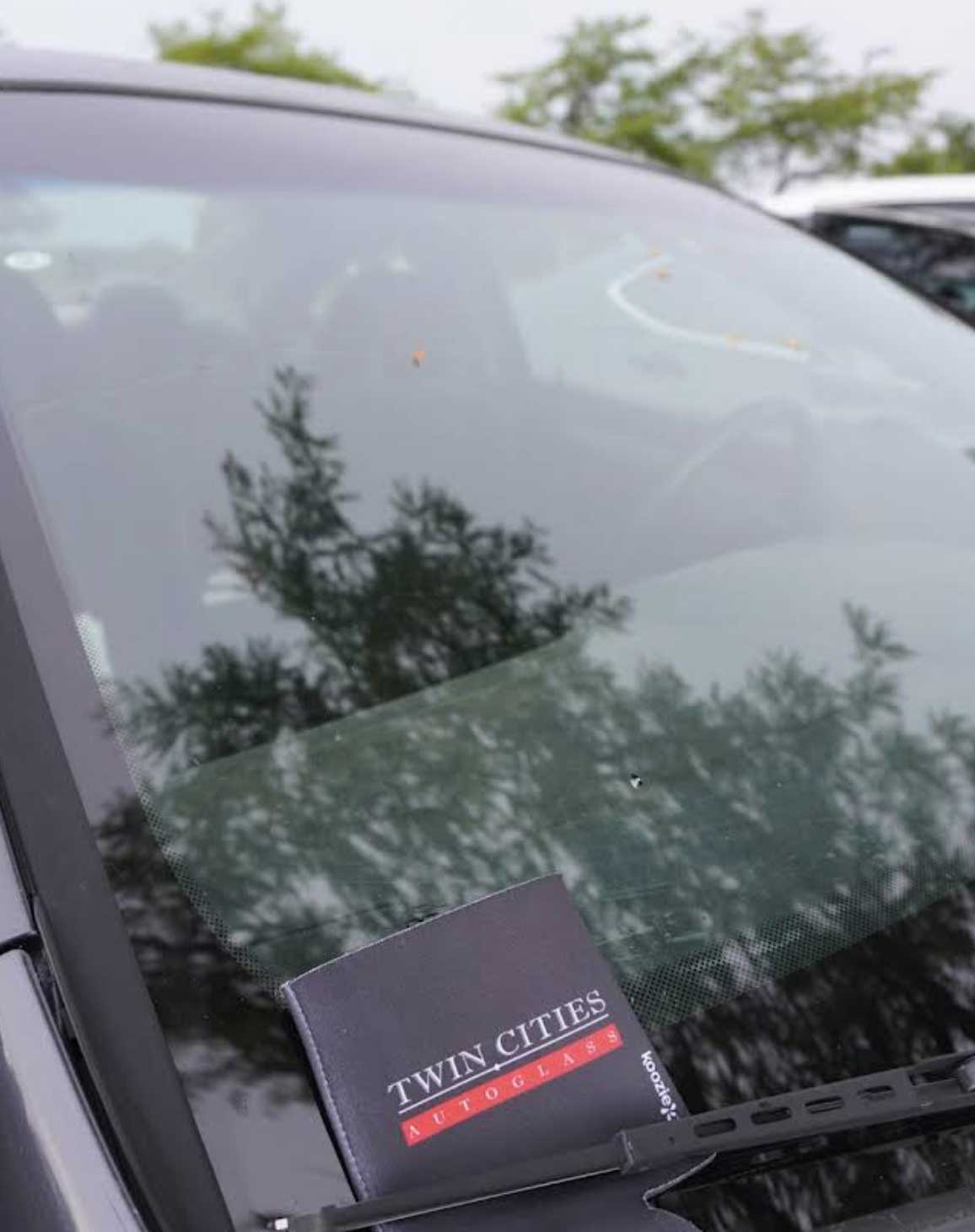
When you look through your vehicle’s windshield, it may seem like a simple piece of glass. In reality, automotive glass is an important part of your vehicle’s safety system. Windshields and vehicle windows are specially engineered to provide visibility while helping protect drivers and passengers during collisions and everyday driving.
At Twin Cities Auto Glass, we understand that knowing the difference between laminated windshield glass, tempered side and rear glass, and replacement options can help vehicle owners make better decisions when glass is damaged.
Laminated Windshield Glass: Built to Stay Together
Unlike ordinary household glass, your vehicle’s windshield is made from laminated safety glass. Laminated glass consists of two layers of glass with a strong plastic interlayer—commonly polyvinyl butyral (PVB)—sandwiched between them.
This construction is what makes a windshield behave differently from other vehicle windows.
If a rock strikes the windshield, the outer layer of glass may crack or chip, but the plastic interlayer helps hold the broken glass together. Instead of falling into large, dangerous pieces, the windshield typically develops a familiar “spiderweb” pattern of cracks around the point of impact.
This is an intentional safety feature. Laminated glass helps retain broken glass and can reduce the risk associated with the windshield opening during a crash.
Laminated glass also helps keep objects and debris from immediately passing through the windshield when the glass is damaged.
Why Windshields Don’t Simply Shatter
One of the most common questions about vehicle glass is:
“Why does my windshield splinter or crack instead of shattering?”
The answer is the plastic layer between the two sheets of glass.
Glass itself is a rigid and relatively brittle material. When enough force is applied, cracks can travel quickly through it. But in laminated automotive glass, the plastic interlayer acts somewhat like a flexible net. It holds the glass fragments together rather than allowing them to scatter throughout the vehicle.
That’s why a damaged windshield may look severely cracked while still remaining largely intact.
It is important to remember, however, that a windshield that remains in one piece is not necessarily safe to continue driving with. Cracks can spread, chips can grow, and damage can interfere with the driver’s view. A professional inspection can help determine whether the glass can be repaired or needs to be replaced.
Tempered Side and Rear Window Glass
The side windows and rear window are different from the windshield. Traditionally, most side and rear vehicle windows have been made from tempered safety glass.
Tempered glass is manufactured using a controlled heating and rapid-cooling process. This treatment increases the glass’s strength and changes the way it breaks.
Instead of producing long, sharp shards like ordinary glass, tempered glass is designed to break into many small pieces when it reaches its failure point.
That’s why a broken side window can appear to “explode” into hundreds or thousands of small glass pieces.
Why Does Tempered Glass Shatter?
The difference comes down to how the glass is manufactured.
During the tempering process, the outer surfaces of the glass are placed under compression while the interior remains under tension. When the glass is damaged enough to break, those built-in stresses cause the pane to rapidly disintegrate into small, granular pieces.
This may look dramatic, but it is intentional. Small glass pieces generally present less risk of causing the deep cuts associated with large, sharp shards.
However, vehicle manufacturers do not all use the exact same glass configuration. Some newer vehicles use laminated glass for certain side windows or rear windows, often for additional sound reduction, security, or occupant protection.
That means the type of glass in your vehicle can depend on its year, make, model, and specific equipment package.
New and Used Auto Glass Replacement
When a vehicle window is damaged, one of the biggest decisions is whether to use new or used replacement glass.
New Auto Glass
New replacement glass is manufactured specifically for automotive applications and is available for a wide range of vehicle makes and models.
Depending on the vehicle, a replacement windshield may include features such as:
- Rain sensors
- Camera or driver-assistance systems
- Heating elements
- Antenna components
- Acoustic or noise-reducing technology
- Special tinting or solar protection
Modern windshields can be considerably more than a simple pane of glass. That’s why it is important to match the replacement glass to the vehicle’s exact specifications.
Windshield Repair vs. Replacement
Not every windshield chip automatically means the entire windshield must be replaced.
Small chips and certain types of minor damage may be candidates for repair. Repairing suitable damage early can prevent a small chip from developing into a larger crack.
However, replacement may be necessary when damage is too large, extends through critical areas, affects the driver’s field of vision, reaches an edge, or otherwise compromises the windshield’s integrity.
Because every situation is different, having damaged glass professionally evaluated is the best way to determine the appropriate solution.
Why Automotive Glass Is Engineered Differently
The different types of automotive glass serve different purposes.
Laminated windshield glass is designed to crack while helping keep the glass together.
Tempered side and rear glass is designed to break into small pieces rather than large, sharp shards.
Neither type of glass is designed to be indestructible. Instead, each is engineered to fail in a more controlled manner when subjected to enough force.
That distinction is important. The fact that a windshield “splinters” rather than shatters isn’t a manufacturing flaw—it is one of the reasons laminated glass is used for vehicle windshields in the first place.
Take Care of Damaged Auto Glass
Your vehicle’s glass plays a much bigger role than simply allowing you to see the road. It is part of the vehicle’s overall safety design and can be particularly important during a collision.
If you have a windshield chip, spreading crack, broken side window, or damaged rear glass, don’t wait for the problem to become worse. Having the damage evaluated promptly can help you understand whether repair or replacement is appropriate.
Twin Cities Auto Glass is here to help you understand your auto glass options and find the right replacement solution for your vehicle.
For more information about auto glass services, visit Twin Cities Auto Glass.
We Make Windshield Replacement Easy
At Twin Cities Auto Glass, we know your schedule is busy. That’s why we’ve made getting your windshield replaced as easy and convenient as possible.
With 11 convenient locations, you can get fast, professional service without sacrificing the friendly, personal attention you deserve.
You’ll find Twin Cities Auto Glass locations in:
- White Bear Lake
- St. Cloud
- Princeton
- Hudson
- Ham Lake
- Golden Valley
- Burnsville
- Brooklyn Park
- Bloomington
- Elk River
- Forest Lake
Our knowledgeable team works hard to provide quality workmanship, convenient scheduling, and outstanding customer service from the moment you contact us until you’re safely back on the road.
Twin Cities Auto Glass today and get back on the road with confidence.
Schedule your appointment today and trust the team with 14+ years of experience to get the job done right—any season, any month. 🚗❄️☀️
Schedule now —stress-free. https://www.tcautoglass.net/schedule/